The record
Written from the 2 reports below. Nothing here is unsourced.
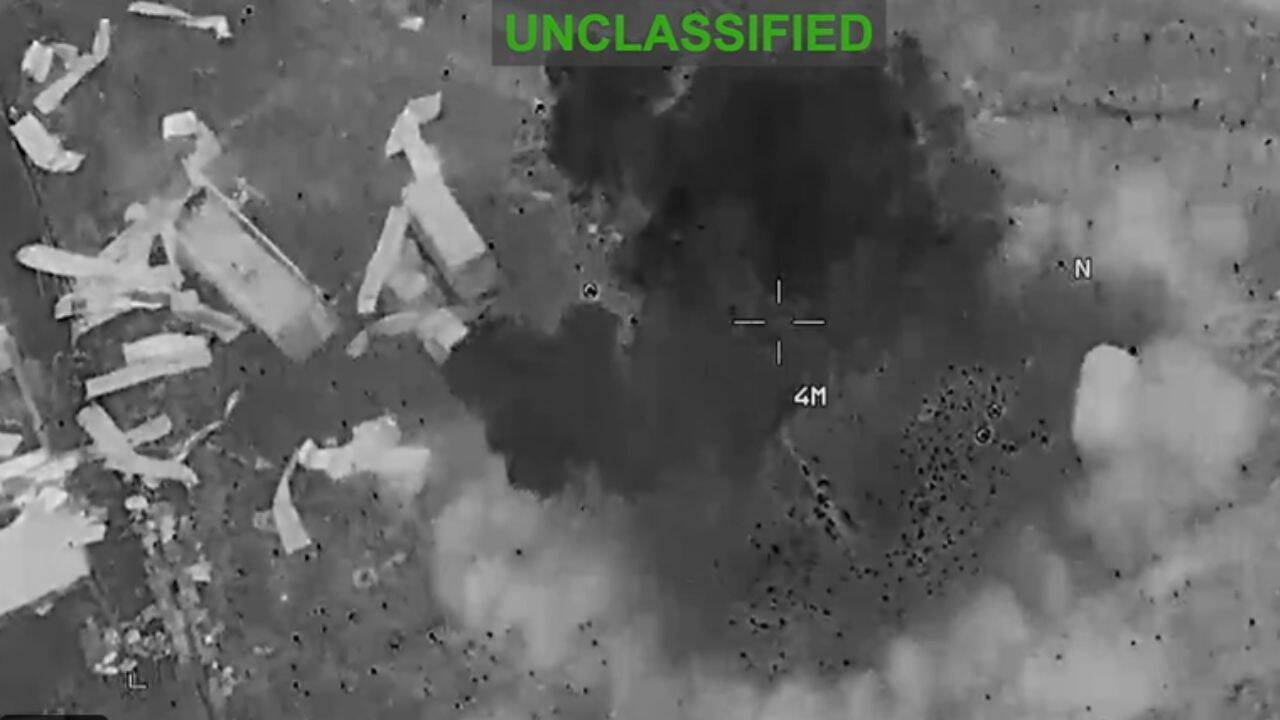
- The U.S. military has conducted airstrikes on Iranian military sites for 12 consecutive nights, with the most recent strikes lasting five hours.
- President Trump has described the ongoing conflict as a skirmish, downplaying its severity.
- However, Indian media outlets report growing alarm over the escalation, with Iran retaliating against the strikes.
- Analysts warn of significant disruptions to global oil markets and maritime trade routes, while regional security concerns mount.
- The conflict has now entered its 11th consecutive night of airstrikes, raising questions about the potential for further escalation.
- What to watch next includes whether Iran escalates retaliation, impacts on global oil supply chains, and diplomatic efforts to de-escalate tensions.
What to watch next
- Monitor Iranian retaliation and potential expansion of conflict
- Track oil price movements and shipping route disruptions
- Watch for diplomatic interventions or ceasefire negotiations
- Assess impact on regional allies and U.S. military posture
What changed2
Every report on this story, newest first. Times are when each outlet published.
The Times of India[1]
US struck Iran for five hours on 12th night of attacks on military sitesAaj Tak[2]
Iran पर हमलों के बाद Trump ने दिए सख्त संकेत!
Why it matters4
Who is affected first and what likely follows, with a direction and a horizon. Extracted from the reports, never invented.
- Global oil markets price volatility· immediate
- Maritime trade routes disruption risk· days
- Regional security escalation risk· weeks
- U.S.-Iran relations diplomatic stalemate· longer
Coverage2
2 reports
English national1Indian-language1
All filed from IndiaSingle origin
Named United States · Iran · Iranian military · Islamic Republic of Iran · Donald Trump · Seyed Abbas Araghchi · US · US Central Command · US military
The 2 reports are listed beside the record.
Ask this story
Answers cite the reports above, or say they can't.