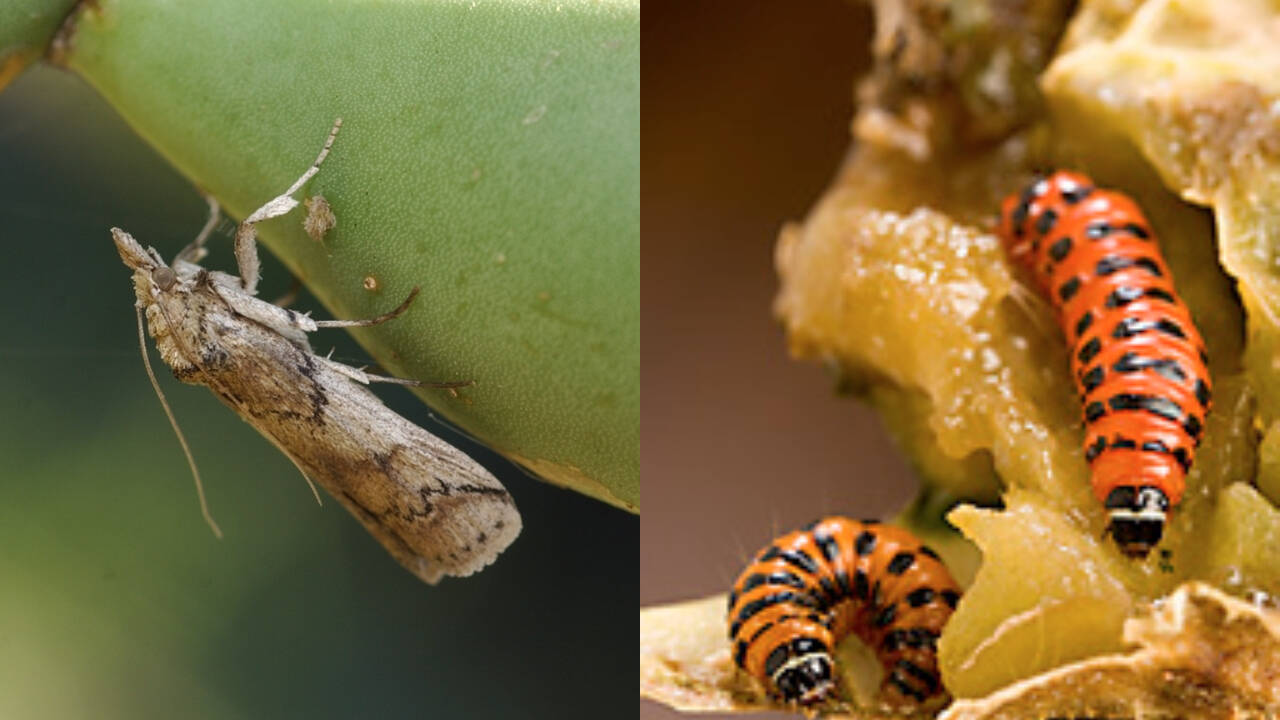
The record
Written from the 1 report below. Nothing here is unsourced.
- The South American cactus moth was introduced to the Caribbean in 1957 to control invasive prickly pear cacti.
- The species eventually spread to Florida and has since begun attacking native cactus populations in the United States and Mexico.
- Scientists are currently using the sterile insect technique to disrupt the moth's reproductive cycle by releasing irradiated males.
- This method has significantly reduced moth populations in testing sites like Dauphin Island.
- Controlling this pest is crucial to protecting cactus species that provide essential wildlife habitat and soil erosion prevention.
What to watch next
- The ongoing effectiveness of the sterile insect technique at field test locations
- The continued spread of the cactus moth along the Atlantic and Gulf coasts
Who said what1
Only words found exactly in the article are shown, attributed and linked to the line they came from.
James Carpenter
Entomologist of the ARS Crop Protection
1 quote · 1 outlet
“Male moths are then exposed to radiation that makes them sterile before being released into areas containing wild populations.”
In the article
…the sterile insect technique, or SIT. Entomologist James Carpenter of the ARS Crop Protection and Management Research Unit in Tifton, Georgia, is working with colleagues to mass-produce the moth on an artificial diet. Male moths are then exposed to radiation that makes them sterile before being released into areas containing wild populations. The sterile males can still mate with wild females, but the resulting offspring are unable to reproduce. Over time, repeated releases can reduce the number of fertile insects in the population. The work involves…
Coverage1
All filed from India
Named United States · Mexico · Agricultural Research Service · Florida A&M University · James Carpenter · US Department of Agriculture
The 1 report is listed beside the record.
Ask this story
Answers cite the reports above, or say they can't.