The record
Written from the 1 report below. Nothing here is unsourced.
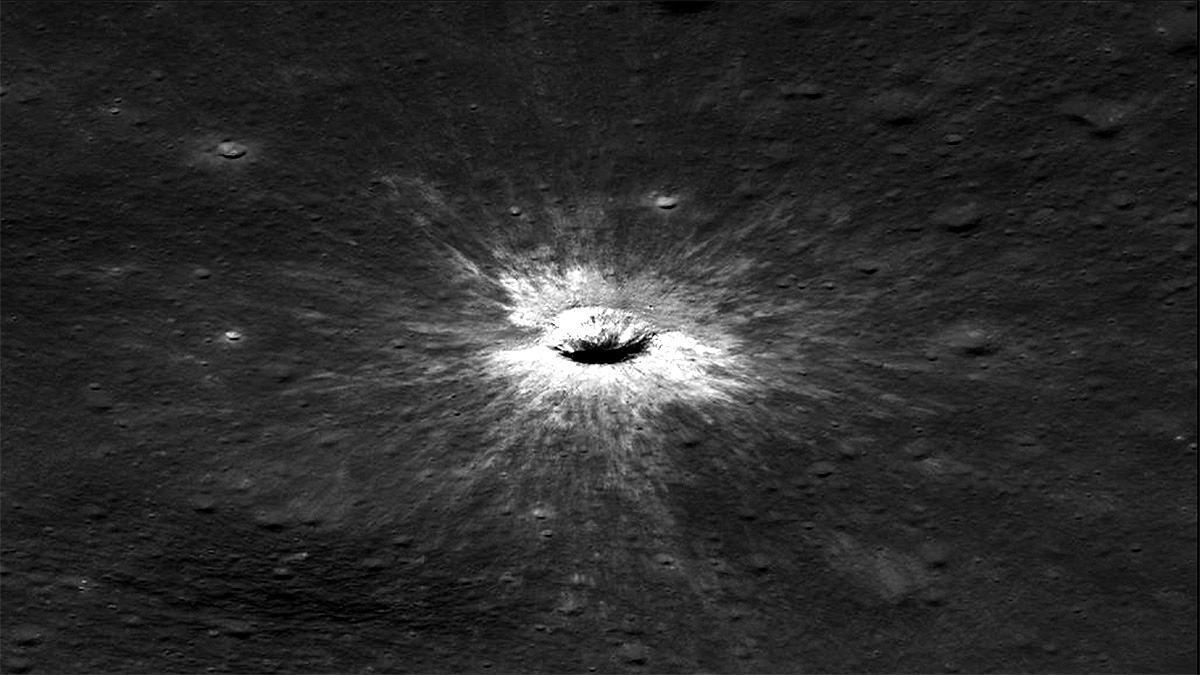
- NASA's Lunar Reconnaissance Orbiter has discovered a large new crater on the Moon, named McGetchin by the International Astronomical Union.
- The crater formed between April 11 and May 22, 2024, when a space rock the size of a three- to six-storey building struck the Moon's eastern edge.
- The McGetchin crater measures 222 metres wide and about 43 metres deep, making it the largest fresh impact crater found in the solar system in recent times.
- The impact threw out rocks and dust up to 120 kilometres away and created a 7-kilometre-wide cold spot that stays a few degrees cooler at night.
- The crater is significant because such large craters form on the Moon only about once every 132 years, and studying it will improve models of impact mechanics and help future human missions to the Moon.
What to watch next
- Further scientific study of the McGetchin crater to better understand the impact process.
- Continued LRO monitoring of the Moon's surface for new impact craters.
- How findings from the crater could inform plans for future lunar missions and bases.
Related reporting
Grouped by subject or cast while the story boundary is under human review. No chronology is implied.
Loading the story…
Coverage1
1 report
Indian-language1
All filed from India
Named India · Thomas McGetchin · International Astronomical Union · Lunar Reconnaissance Orbiter · McGetchin Crater · NASA
The 1 report is listed beside the record.
Ask this story
Answers cite the reports above, or say they can't.