The record
Written from the 1 report below. Nothing here is unsourced.
- A study published in Global Biogeochemical Cycles reveals that human activities like agriculture, wastewater, and urban runoff are contributing more nitrogen to coastal waters than natural sources in about one-quarter of the planet's waterways.
- This excess nitrogen fuels runaway algae growth, creates oxygen-depleted dead zones, and threatens both marine biodiversity and human economic reliance on coastal ecosystems.
- Researchers emphasize that mapping these hotspots can help policymakers and conservationists target specific areas for nutrient management and restoration efforts.
What to watch next
- Ongoing research into effective wastewater and agricultural management strategies.
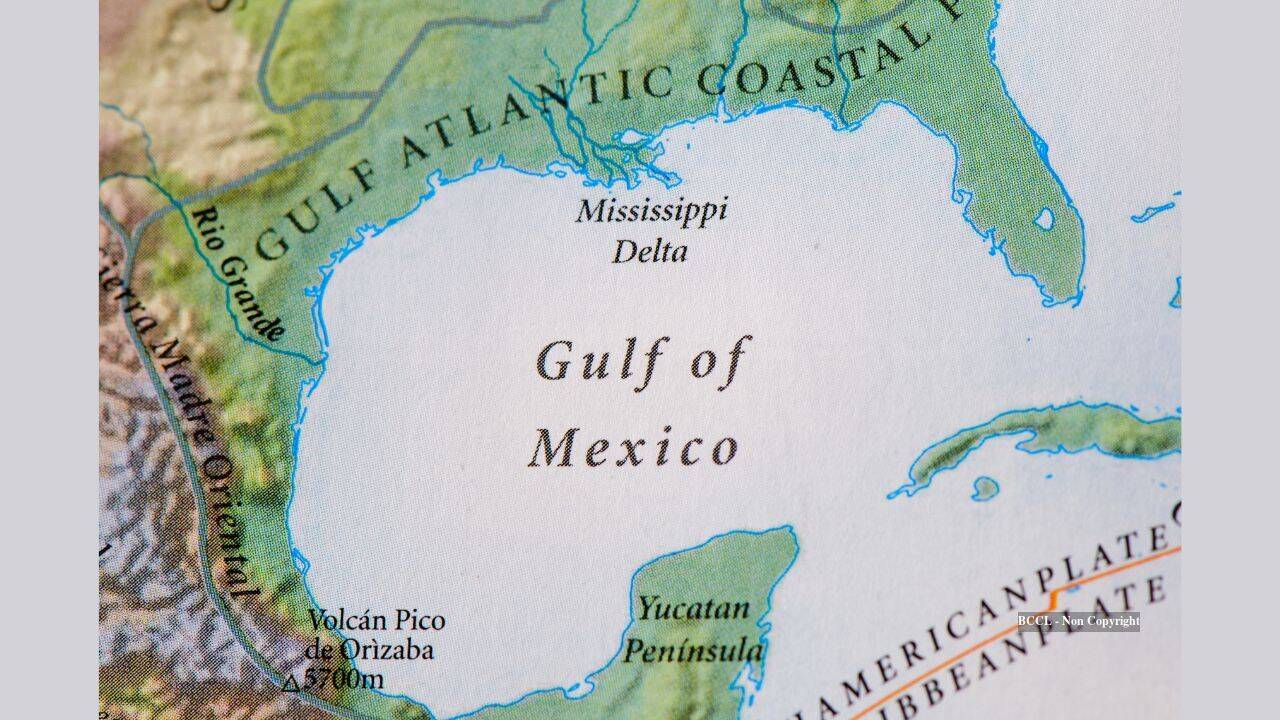
- Monitoring of identified hotspots like the Gulf of Mexico for ecosystem recovery.
- Future policy efforts targeting specific watersheds to reduce nutrient pollution.
Coverage1
1 report
English national1
All filed from India
Named United States · China · India · Baltic Sea · Gulf of Mexico · Mediterranean · Mississippi River · North Sea · Southeast Asia · Global Biogeochemical Cycles · Washington State University
The 1 report is listed beside the record.
Ask this story
Answers cite the reports above, or say they can't.