
The record
Written from the 2 reports below. Nothing here is unsourced.
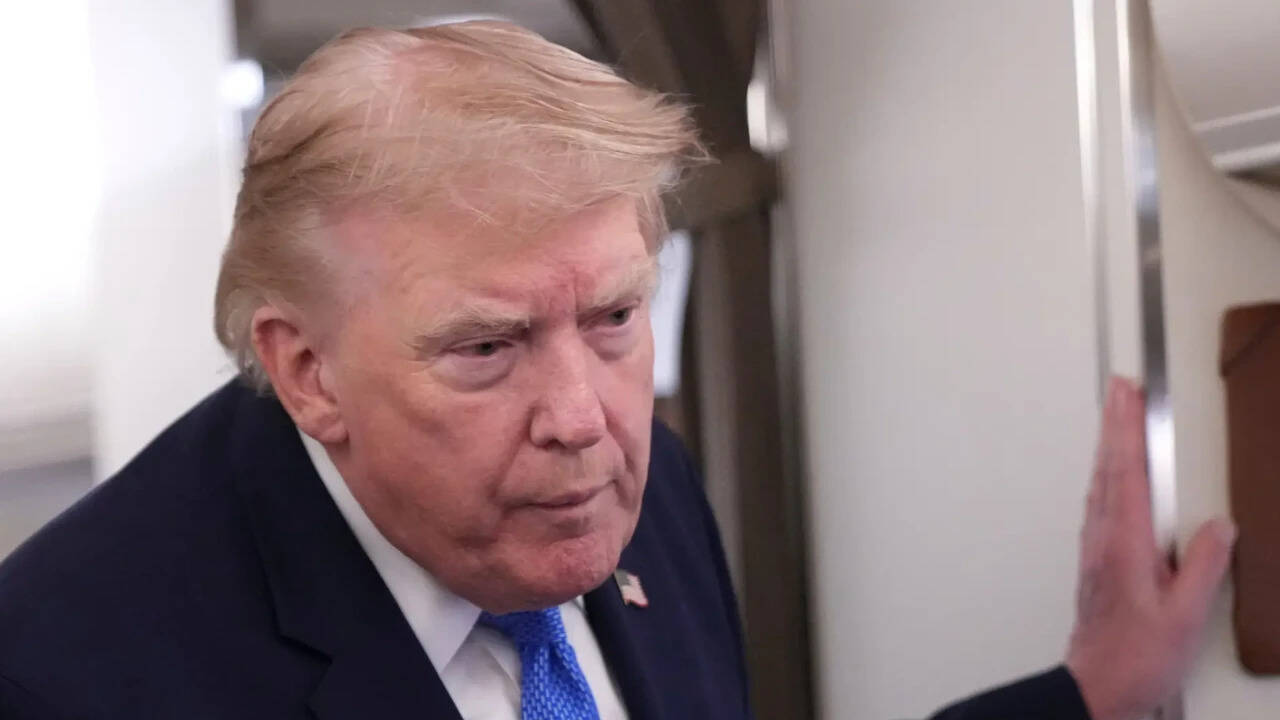
- US Central Command has asked for unconventional military options to pressure Iran, and President Trump is weighing an expansion of strikes while negotiations with Tehran are still underway.
- The dual-track approach — talking while planning punitive action — signals that Washington is not ruling out escalation to extract concessions.
- Indian outlets report the request neutrally, without detailing what 'unconventional methods' entail, leaving open whether this means cyber, covert, or irregular kinetic options.
- The immediate stakes are for Iran's military posture and the credibility of the negotiation channel; if strikes expand, Tehran could retaliate against US assets or regional partners including Saudi Arabia.
- Watch for whether the administration signals a red line or uses the threat as leverage, and whether Iran's response is calibrated or escalatory.
What to watch next
- What 'unconventional methods' means operationally remains undefined.
- Iran's retaliation options and thresholds are the key variable.
- Gulf allies' posture will signal regional escalation risk.
What changed2
Every report on this story, newest first. Times are when each outlet published.
Why it matters3
Who is affected first and what likely follows, with a direction and a horizon. Extracted from the reports, never invented.
- Iran military pressure escalation· days
- US-Iran negotiations diplomatic risk· weeks
- Gulf region security environment escalation risk· days
Coverage2
2 reports
English national2
All filed from IndiaSingle origin
Named United States · Iran · Saudi Arabia · Tehran · Caine · CIA · CNN · Cooper · Defense Intelligence Agency · Donald Trump · Mohammed bin Salman · Timothy Hawkins
The 2 reports are listed beside the record.
Ask this story
Answers cite the reports above, or say they can't.