The record
Written from the 2 reports below. Nothing here is unsourced.
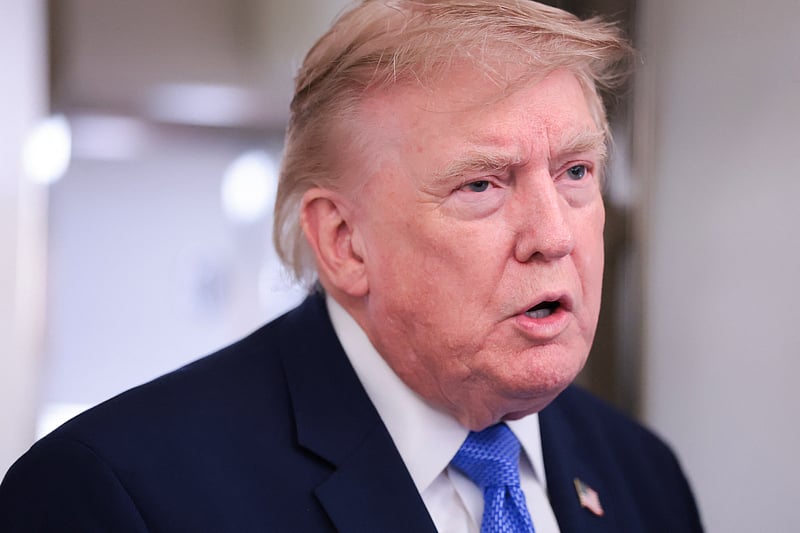
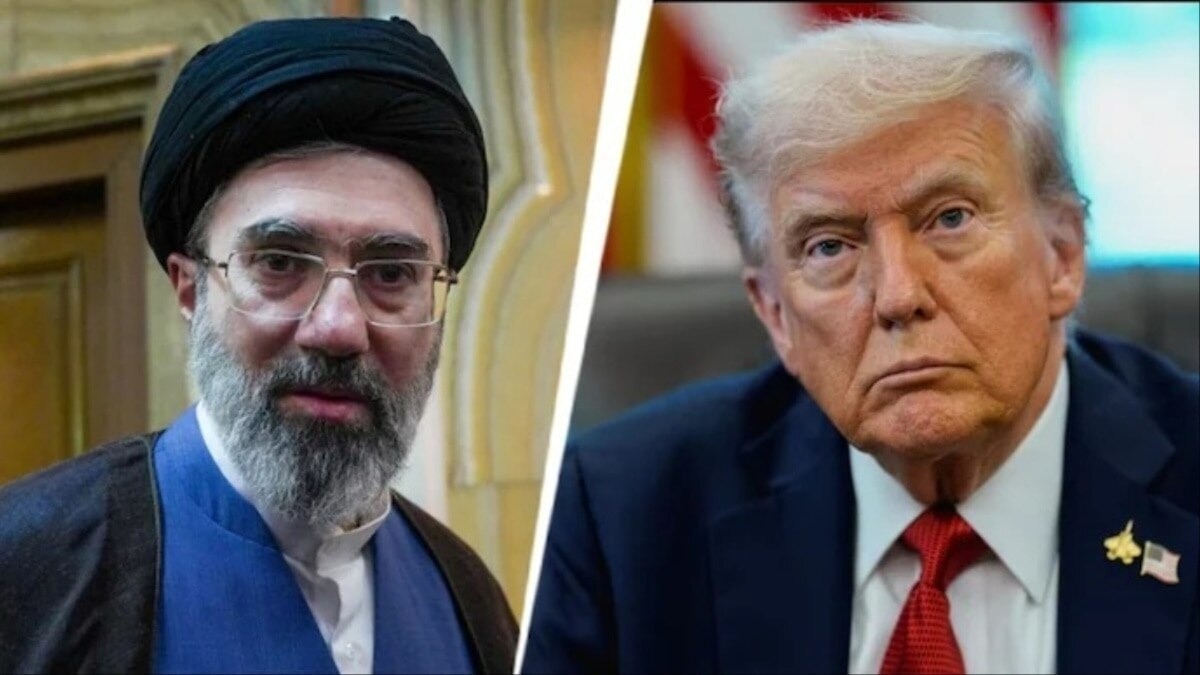
- Iran's Foreign Ministry spokesperson Esmail Baghaye publicly rejected US President Donald Trump's authority to dictate whether Iran goes to war or maintains peace.
- This statement followed Trump's announcement that he was halting a planned military strike on Iran and offering diplomatic talks instead.
- Iran rejected this proposal outright, maintaining its defiant stance amid ongoing tensions over control and navigation rights in the Strait of Hormuz.
- The exchange highlights a fundamental disagreement over sovereignty and decision-making authority in the conflict.
- Iran's position asserts that external powers cannot unilaterally determine its security posture or military response.
- The situation remains volatile with no immediate path to de-escalation, as both sides have dug into opposing positions.
- Watch for whether Iran takes concrete military action in the Strait of Hormuz or if third-party mediators attempt to restart negotiations.
What to watch next
- Iran military moves in Strait of Hormuz
- Third-party mediation attempts
- US military posture adjustments
- Oil market volatility signals
What changed2
Every report on this story, newest first. Times are when each outlet published.
Why it matters3
Who is affected first and what likely follows, with a direction and a horizon. Extracted from the reports, never invented.
- US-Iran diplomatic relations diplomatic stalemate· weeks
- Strait of Hormuz shipping heightened security risk· immediate
- Regional stability (Middle East) escalation tension· days
Coverage2
2 reports
Indian-language2
All filed from India
Named Donald Trump · Esmail Baghaye · Iran · Ismail Baghaye · Israel · Ministry of Foreign Affairs of Iran · Oman · Qatar · Reuters · Russia · Saudi Arabia · Strait of Hormuz
The 2 reports are listed beside the record.
Ask this story
Answers cite the reports above, or say they can't.