The record
Written by software from the 1 report below. The points restate them; where one says why it matters, that is Prism's reading, not a reported fact.
- Traditional boat anchors caused significant scarring to seagrass meadows at Studland Bay by dragging heavy chains across the seabed.
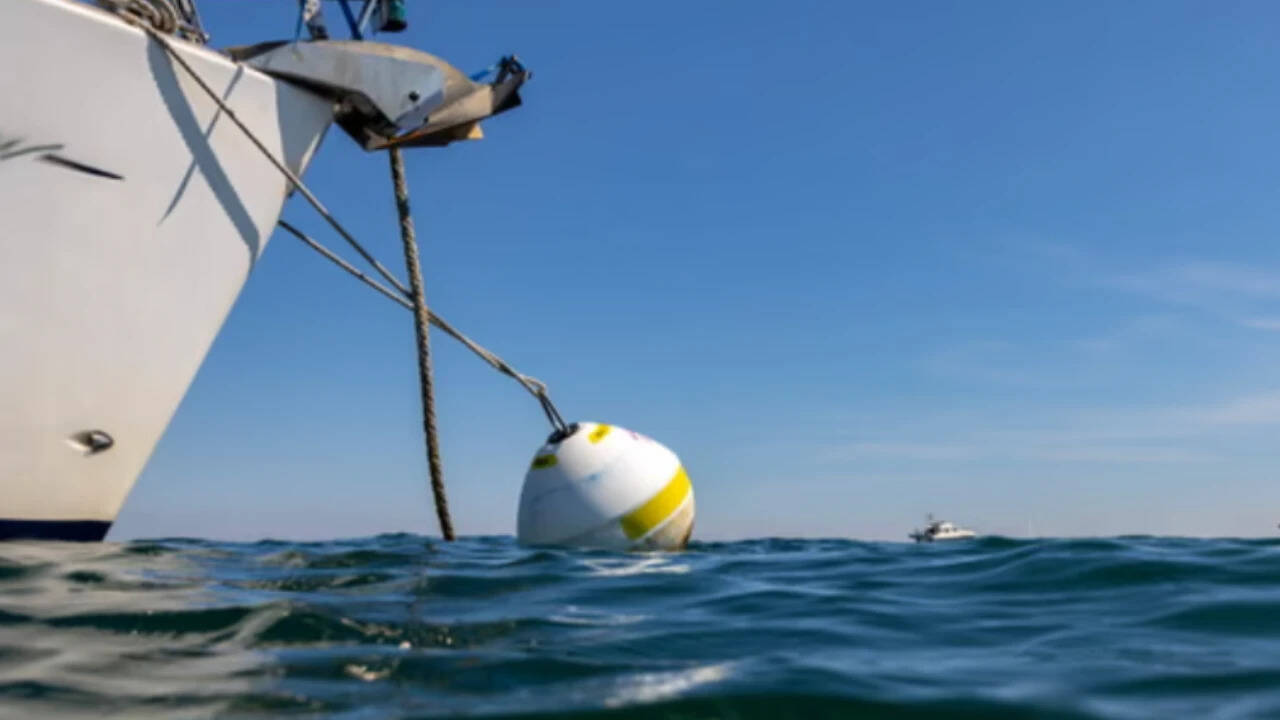
- The Studland Bay Marine Partnership installed eco-moorings that utilize helical screws and elasticated risers to keep hardware off the seafloor.
- Areas using these new systems saw a 94% reduction in bare patches over a five-year period.
- This recovery is already supporting the return of marine life, including protected seahorse species.
What to watch next
- Potential expansion of eco-mooring schemes to other sensitive marine environments
- Continued monitoring of marine species population recovery in Studland Bay
Who said what3
Only words found exactly in the article are shown, attributed and linked to the line they came from.
Kira Dunn
1 quote · 1 outlet
“The results clearly show that seagrass is recovering in areas where physical disturbance has been removed. It’s incredibly encouraging to see how quickly this important habitat can regenerate when given the opportunity,”
In the article
…seabed and damaging the seagrass around it. The change has allowed areas that had been physically disturbed to recover. Dunn said the results showed that the seagrass was recovering after the disturbance was removed. “ The results clearly show that seagrass is recovering in areas where physical disturbance has been removed. It’s incredibly encouraging to see how quickly this important habitat can regenerate when given the opportunity, ” Dunn said. Seahorses and other marine life return The recovering seagrass is also being linked with more sightings of marine animals. Volunteer divers who monitor seahorses at Studland Bay have reported increases in…
David Brown
chair of the Studland Bay Marine Partnership steering group
1 quote · 1 outlet
“The impact has been beyond our expectations, and thanks to robust monitoring and research, we have the science to prove how the eco-moorings benefit seagrass and all the species that rely on it,”
In the article
…boats operate close to sensitive seagrass habitats. David Brown, chair of the Studland Bay Marine Partnership steering group and lead ecologist for the National Trust, said the results had gone beyond expectations. “ The impact has been beyond our expectations, and thanks to robust monitoring and research, we have the science to prove how the eco-moorings benefit seagrass and all the species that rely on it, ” Brown said as quoted by The Guardian. Wider use for eco-moorings Ken Collins, emeritus research fellow and diving officer at the University of Southampton and supervisor of the study, said the research provided…
Ken Collins
emeritus research fellow
1 quote · 1 outlet
“This research provides robust scientific evidence that eco-moorings are an effective tool for seagrass conservation and restoration,”
In the article
…Ken Collins, emeritus research fellow and diving officer at the University of Southampton and supervisor of the study, said the research provided scientific evidence for using eco-moorings to protect seagrass. “ This research provides robust scientific evidence that eco-moorings are an effective tool for seagrass conservation and restoration, ” Collins said. He added that the findings supported the continued use and expansion of eco-mooring schemes in Studland and other sensitive marine environments where seagrass habitats are under pressure.…
Coverage1
All filed from India
Named United Kingdom · Studland Bay · David Brown · Ken Collins · Kira Dunn · National Trust · Studland Bay Marine Partnership · University of Southampton
The 1 report is listed beside the record.
Corrections and versions
A correction says what was wrong and why. Every earlier headline and brief of this record is kept.
Something wrong?
Say what, and it arrives with this record's address filled in. A correction is welcome.
Ask this story
Answers cite the reports above, or say they can't.