The record
Written from the 1 report below. Nothing here is unsourced.
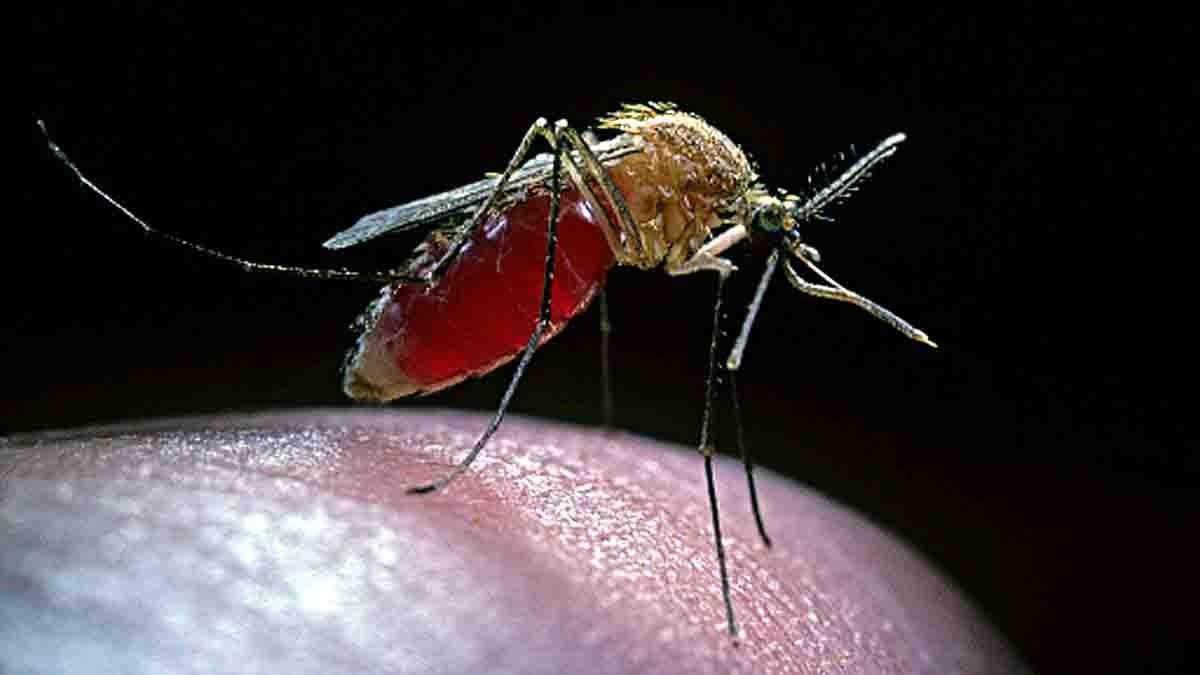
- IIT Kanpur researchers, led by Professor Nitin Gupta at the Mehta Family Centre for Engineering in Medicine, are studying how the Aedes aegypti mosquito — which spreads dengue and chikungunya — detects human scent and how that information is processed in its brain.
- The team is examining why mosquitoes bite some people more than others, using genetic tools like CRISPR-Cas9 to alter specific genes and observe changes in smell detection and behaviour.
- They are also studying how a female mosquito's behaviour changes after drinking blood, when it shifts from seeking humans to finding a place to lay eggs.
- According to the WHO, about half the world's population lives in dengue-risk areas with an estimated 100–400 million infections a year, and understanding how mosquitoes locate humans could lead to new ways of blocking bites beyond just killing or repelling the insects.
What to watch next
- Findings on which human scents attract or repel Aedes aegypti mosquitoes
- Results from CRISPR-Cas9 gene-alteration experiments on mosquito smell detection
- Development of new mosquito control methods based on disrupting the insect's human-seeking system
Related reporting
Grouped by subject or cast while the story boundary is under human review. No chronology is implied.
Loading the story…
Coverage1
1 report
Indian-language1
All filed from India
Named India · Mehhta Family Center for Engineering in Medicine · Aedes aegypti · IIT-Kanpur · Nitin Gupta · WHO
The 1 report is listed beside the record.
Ask this story
Answers cite the reports above, or say they can't.