The record
Written from the 1 report below. Nothing here is unsourced.
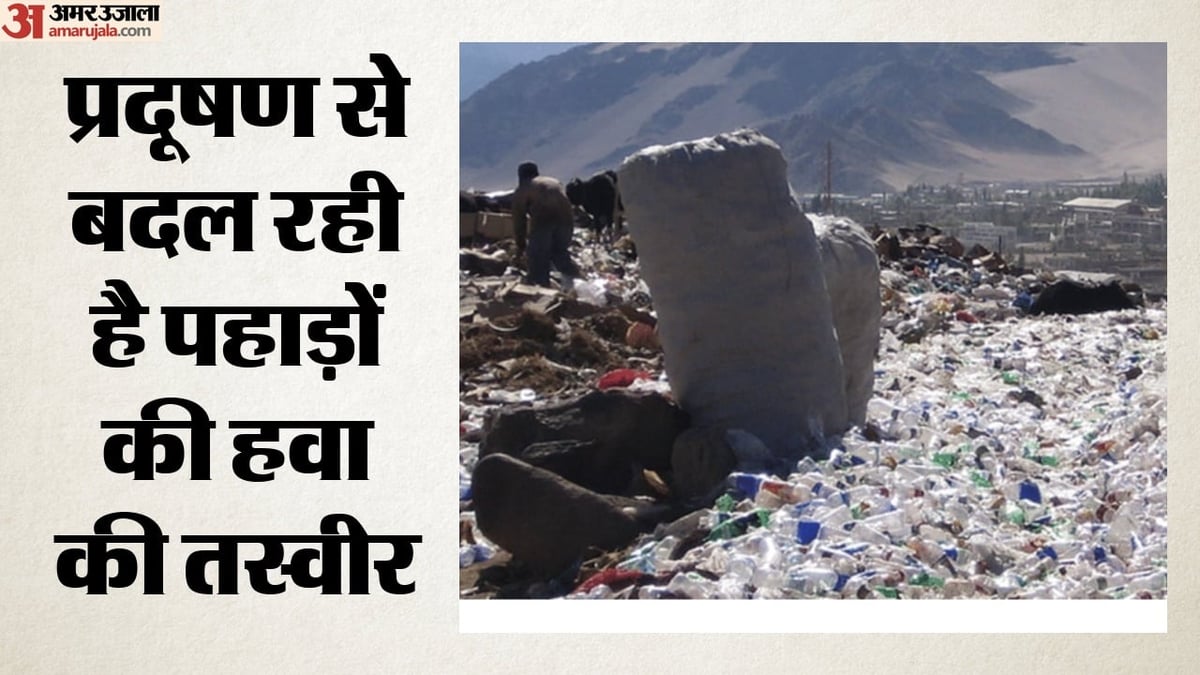
- Leh, situated at about 3,500 metres in Ladakh, recorded an air quality index of 300, in the very poor category, on September 16, 2026, according to the Central Pollution Control Board, up 95 points from 205 the previous day.
- Ozone was among the leading pollutants in the available data.
- The report notes that ground-level ozone is a secondary pollutant formed when nitrogen oxides and volatile organic compounds from vehicles and other sources react in sunlight, so local emissions, weather and regional transport of pollutants can all play a role.
- The report suggests growing tourism-related traffic, hotels, construction and generator use are increasing local emissions, and that high altitude does not guarantee clean air, with children, the elderly and people with respiratory problems especially at risk.
What to watch next
- Whether Leh's AQI readings remain elevated in the days after September 16.
- Expansion of pollution monitoring in Leh to include ozone, nitrogen oxides and weather data alongside PM2.5 and PM10.
- Any study of long-term pollution, traffic and tourism trends in Leh to determine the causes behind the spike.
Related reporting
Grouped by subject or cast while the story boundary is under human review. No chronology is implied.
Loading the story…
Coverage1
1 report
Indian-language1
All filed from India
Named India · Leh · Central Pollution Control Board · Dushyant Sharma
The 1 report is listed beside the record.
Ask this story
Answers cite the reports above, or say they can't.