The record
Written from the 2 reports below. Nothing here is unsourced.
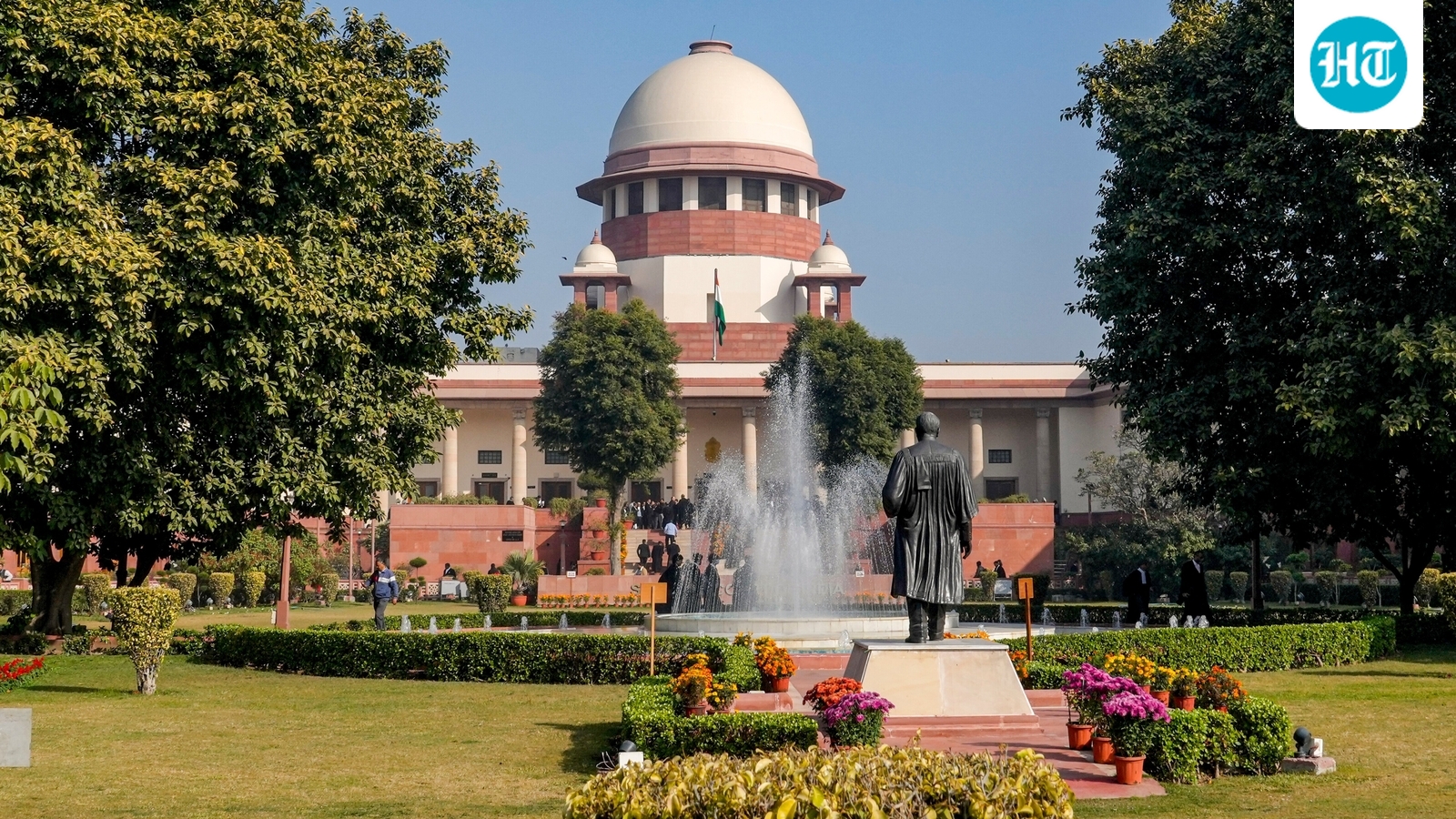
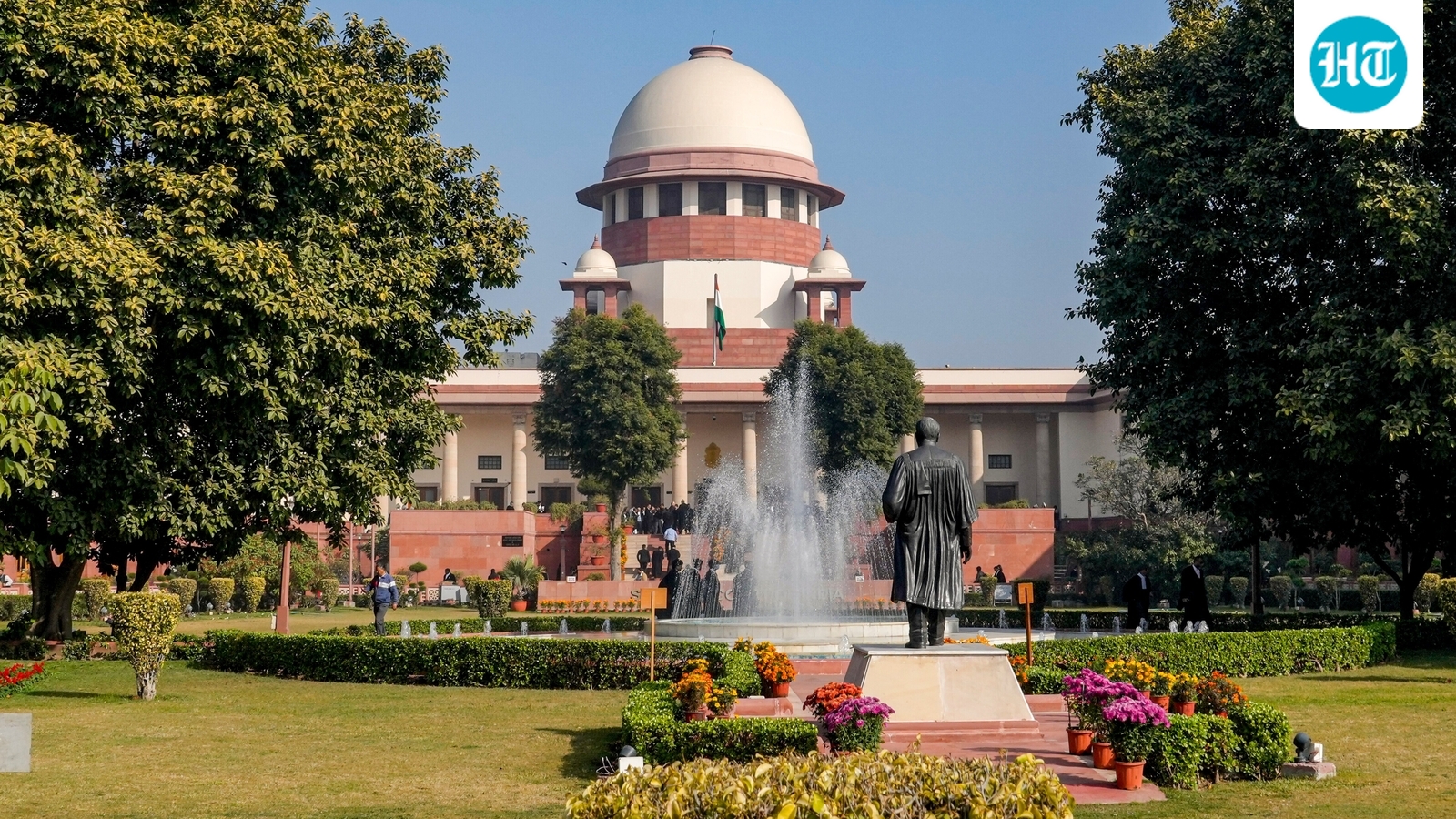
- The Supreme Court of India set aside a ₹425 crore customs penalty imposed on a Gujarat diamond trader after finding that the customs officer's order relied on non-existent, AI-generated case laws.
- The ruling exposed a significant vulnerability in how legal and quasi-judicial orders are being drafted and verified, as fabricated precedents were used to justify a massive financial penalty.
- In a separate but related move underscoring judicial accountability, the Supreme Court also set aside an Allahabad High Court order for failing to provide adequate reasoning in a criminal trial decision.
- Together, these rulings signal the Court's growing willingness to scrutinize not just the outcomes of lower judicial and administrative decisions, but the integrity of the reasoning and sources underpinning them.
- The case raises urgent questions about the unchecked use of AI tools in legal research and drafting within government and judicial offices.
- Watch for potential guidelines or circulars from the judiciary or customs authorities on the use of AI in legal proceedings.
What changed2
Every report on this story, newest first. Times are when each outlet published.
Who said what2
Only words found exactly in the article are shown, attributed and linked to the line they came from.
Supreme Court
2 quotes · 1 outlet
“A laconic order (such as the impugned order) can neither be appreciated nor countenanced”
In the article
…court said the burden on high court judges was undoubtedly immense and that writing brief orders could be a prudent approach in view of heavy caseloads. But brevity, it cautioned, cannot come at the cost of reasons. “ A laconic order (such as the impugned order) can neither be appreciated nor countenanced ,” held the bench in an order earlier this week, stressing that every judicial order must meet the basic minimum standard expected of a high court judge, “more so in a criminal appeal of the present nature”. Reasons…
“They demonstrate that the adjudicator has applied his or her mind to the material on record and allow the unsuccessful party to effectively challenge the decision before a higher forum.”
In the article
…every judicial verdict determining the rights and liabilities of parties must disclose the reasons for its conclusion applies equally to criminal proceedings. Reasons, the court explained, serve a fundamental purpose: “ They demonstrate that the adjudicator has applied his or her mind to the material on record and allow the unsuccessful party to effectively challenge the decision before a higher forum. ” A decision without reasons, it added, may indicate non-application of mind and leaves the higher court handicapped in determining the basis on which the conclusion was reached and testing its legality or correctness.…
Why it matters3
Who is affected first and what likely follows, with a direction and a horizon. Extracted from the reports, never invented.
- Gujarat diamond trader penalty vacated· immediate
- Indian customs authorities procedural scrutiny· weeks
- Indian judiciary precedent on ai use· longer
Coverage1
All filed from IndiaSingle origin
Named India · Allahabad High Court · Vijay Ghanshyam Gadiya · Additional Commissioner of Customs, Surat · Asma Lateef · Azamgarh · Dipankar Datta · Hardeep Singh · Shabbir Ahmad · Sheel Nagu · Supreme Court · Supreme Court of India
The 2 reports are listed beside the record.
Ask this story
Answers cite the reports above, or say they can't.