The record
Written from the 1 report below. Nothing here is unsourced.
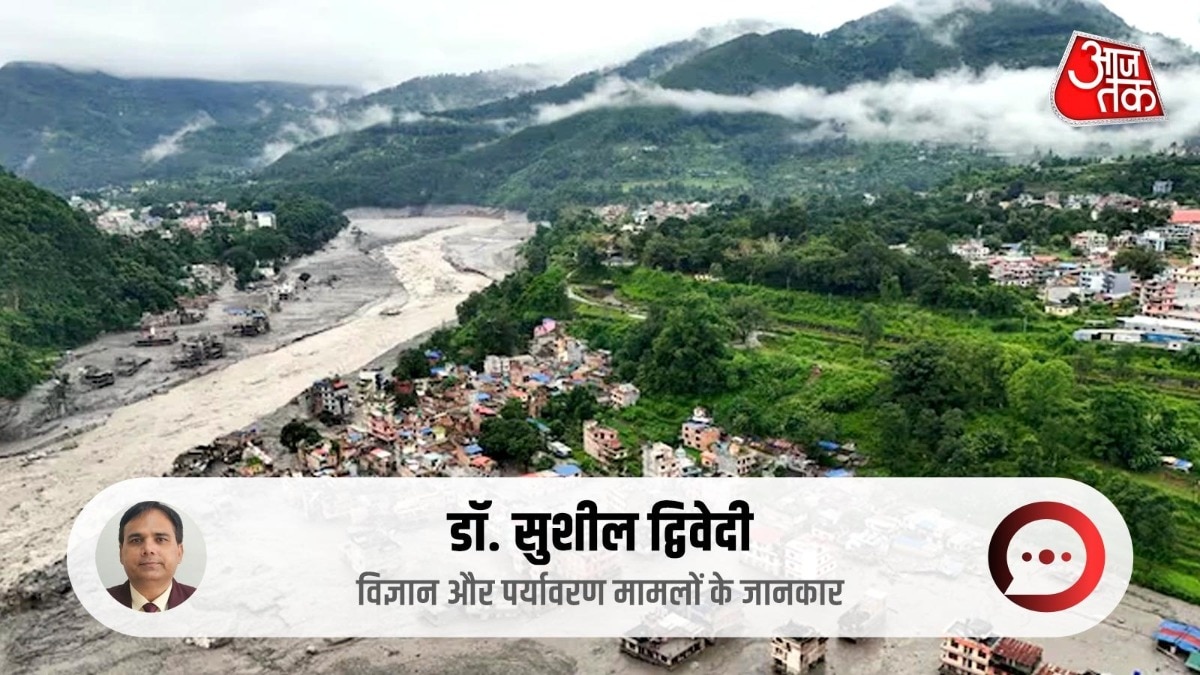
- After recent devastating floods and a glacial outburst, Nepal has demanded climate compensation from major carbon-emitting nations rather than traditional humanitarian aid, framing its case as climate justice.
- Nepal argues that its contribution to global emissions is negligible, yet it bears heavy losses from melting glaciers and climate-induced disasters in the Himalayan region.
- The report explains the difference between aid, which is treated as moral or developmental cooperation, and compensation, which raises questions of responsibility, and notes that the IPCC considers liability and legal compensation for climate loss and damage still contested.
- International negotiations such as COP27 and COP28 have created a loss and damage fund, but key questions remain about how much money it will receive, in what form, and whether it comes from voluntary aid or more permanent finance tied to climate responsibility.
What to watch next
- How much money the loss and damage fund receives and whether it comes as voluntary aid or from more permanent financial sources
- Whether Nepal's demand for compensation as climate justice gains traction with other vulnerable developing countries
- How event attribution science develops in linking specific disasters to human-caused climate change and any legal liability
Coverage1
1 report
Indian-language1
All filed from India
Named Nepal · India · Intergovernmental Panel on Climate Change · United Nations
The 1 report is listed beside the record.
Ask this story
Answers cite the reports above, or say they can't.