The record
Written from the 1 report below. Nothing here is unsourced.
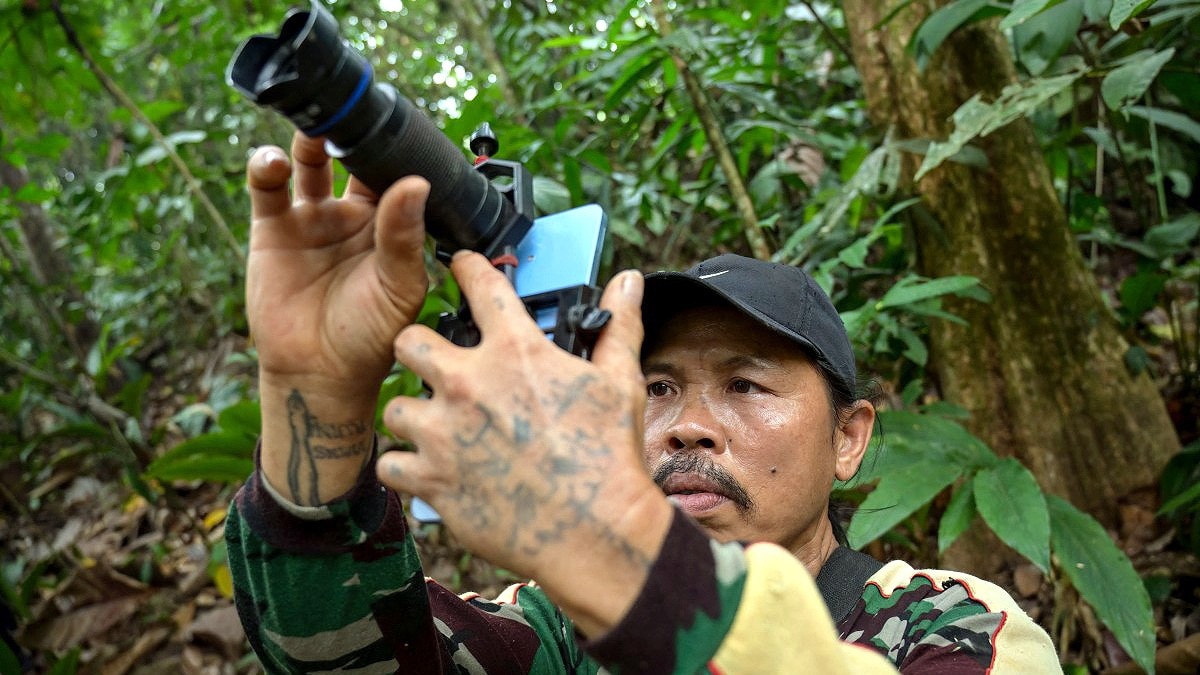
- A conservation project called Kehatiku in Indonesia's West Kalimantan province pays villagers cash for photographing or recording wild animals instead of hunting them.
- Run by the group Borneo Futures, the scheme covers nine villages with hundreds of participants, mostly small farmers, who upload images through a mobile app.
- Payments range from about 5,000 rupees for a common bird photo to 1.3 lakh rupees for an endangered orangutan, with top observers earning up to 10 lakh rupees a month.
- Women have gained a source of independent income, and two villages have voluntarily imposed hunting bans after joining the project.
- The project has raised about 300,000 dollars in donations with funding secured until 2028, and its long-term success depends on whether the money keeps coming to prevent people from returning to hunting.
What to watch next
- Whether additional funding is secured after 2028 to keep the payments going
- Expansion of the project to the two new villages set to join
- Whether more villages impose voluntary hunting bans as incomes rise
Who said what2
Only words found exactly in the article are shown, attributed and linked to the line they came from.
Nardiono
Director of Borneo Futures
1 quote · 1 outlet
“पहले एक पक्षी पकड़कर पचास हजार रुपया मिलता था, अब पांच तस्वीरों से उतनी ही कमाई हो सकती है और पक्षी जिंदा रहकर प्रजनन भी करता है.”
In the article
…साफ है कि आर्थिक प्रोत्साहन व्यवहार बदल रहा है. संरक्षण और वैज्ञानिक लाभ यह योजना सिर्फ आय नहीं देती बल्कि वन्यजीवों के वितरण और आबादी में बदलाव का डेटा भी जुटाती है. बोर्नियो फ्यूचर्स के निदेशक नार्दियोनो बताते हैं कि पहले एक पक्षी पकड़कर पचास हजार रुपया मिलता था, अब पांच तस्वीरों से उतनी ही कमाई हो सकती है और पक्षी जिंदा रहकर प्रजनन भी करता है. लंबे समय में निरीक्षण से कमाई शिकार से कहीं ज्यादा हो सकती है. अमेरिकी जॉन्स हॉपकिन्स विश्वविद्यालय के शोधकर्ता पॉल फेरारो का मानना है कि यह मॉडल बिना प्रोत्साहन वाले ऊपर से थोपे गए संरक्षण कार्यक्रमों से बेहतर…
Paul Ferraro
Researcher at Johns Hopkins University
1 quote · 1 outlet
“यह मॉडल बिना प्रोत्साहन वाले ऊपर से थोपे गए संरक्षण कार्यक्रमों से बेहतर पर्यावरणीय और सामाजिक प्रभाव डाल सकता है.”
In the article
…पांच तस्वीरों से उतनी ही कमाई हो सकती है और पक्षी जिंदा रहकर प्रजनन भी करता है. लंबे समय में निरीक्षण से कमाई शिकार से कहीं ज्यादा हो सकती है. अमेरिकी जॉन्स हॉपकिन्स विश्वविद्यालय के शोधकर्ता पॉल फेरारो का मानना है कि यह मॉडल बिना प्रोत्साहन वाले ऊपर से थोपे गए संरक्षण कार्यक्रमों से बेहतर पर्यावरणीय और सामाजिक प्रभाव डाल सकता है. हालांकि चुनौती धन की निरंतरता की है. उत्साह कम होने पर लोग पुरानी आदतों पर लौट सकते हैं. प्रोजेक्ट को अभी तक करीब तीन लाख डॉलर का दान मिला है. आधा पैसा ऐप और एआई सिस्टम विकसित करने में खर्च हुआ. धन 2028 तक सुरक्षित है…
Coverage1
All filed from India
Named Indonesia · Antonia Uneng · Borneo · Imelda · Octavius · West Kalimantan · Borneo Futures · Johns Hopkins University · Kehatiku Project · Nardiono · Paul Ferraro
The 1 report is listed beside the record.
Ask this story
Answers cite the reports above, or say they can't.