Elephants removed for 15 years, dung beetles fell by 67%
Headline by Prism · from 1 report
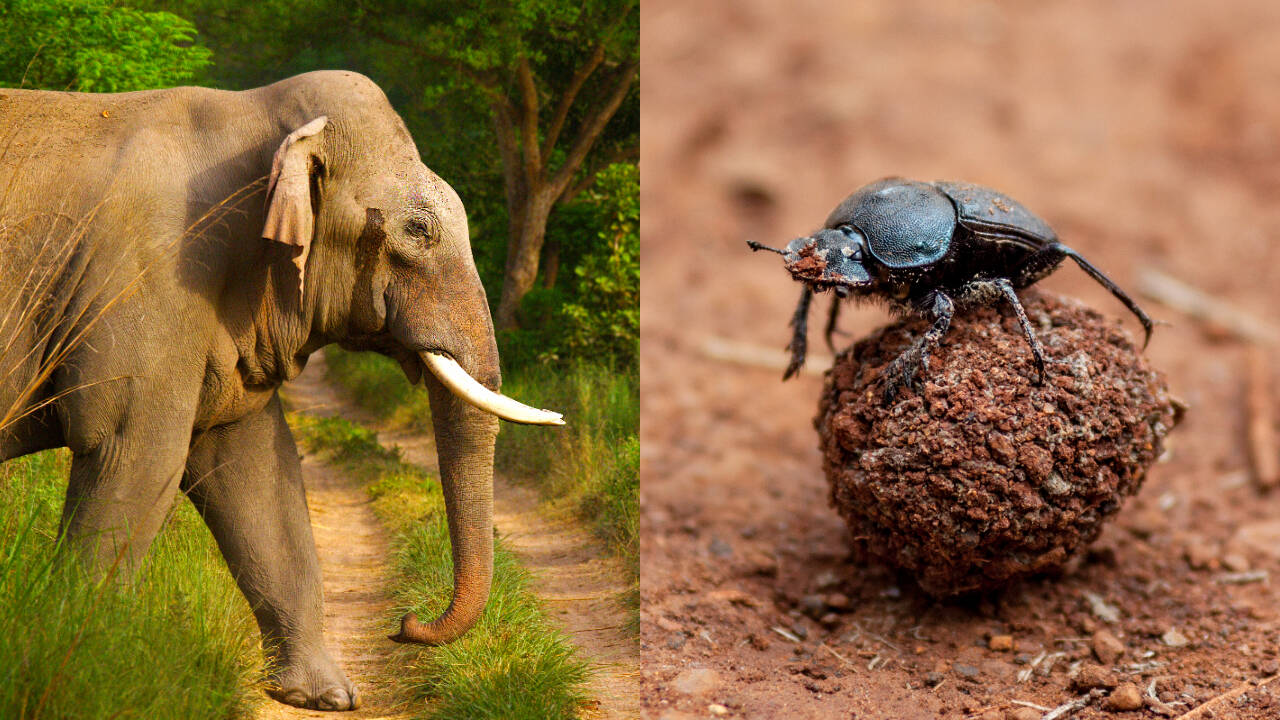
A 15-year ecological study in Kenya demonstrates that the absence of elephants leads to significant declines in dung beetle abundance and biodiversity.
1 of 32 monitored outlets · 1 report · English · checked
 The Times of India
The brief
Written by software from the 1 report below.
- Researchers conducted a 15-year experiment at the Mpala Research Center to study the impact of large mammals on dung beetle populations.
- Plots from which elephants were excluded showed a 67% reduction in beetle abundance and a 51% drop in biomass compared to open control plots.
- These changes resulted in slower waste decomposition and reduced seed dispersal within the local ecosystem.
- The study highlights how the decline of one species can trigger broader ecological shifts and disrupt vital environmental services.
What to watch next
- Long-term outcomes of the UHURU experiment
- Further research into coextinction trends in savanna environments
The points restate the reports; where one says why it matters, that is Prism's reading, not a reported fact.
Coverage
1 outlet
English national1
All filed from India
NamedKenya · Mpala Research Center · Science Adviser · UHURU
The 1 report is listed beside the record.
Corrections and versions
A correction says what was wrong and why. Every earlier headline and brief of this record is kept.
Something wrong?
Say what, and it arrives with this record's address filled in. A correction is welcome.
Ask this story
Answers cite the 1 report above, or say they can't.