The record
Written from the 2 reports below. Nothing here is unsourced.
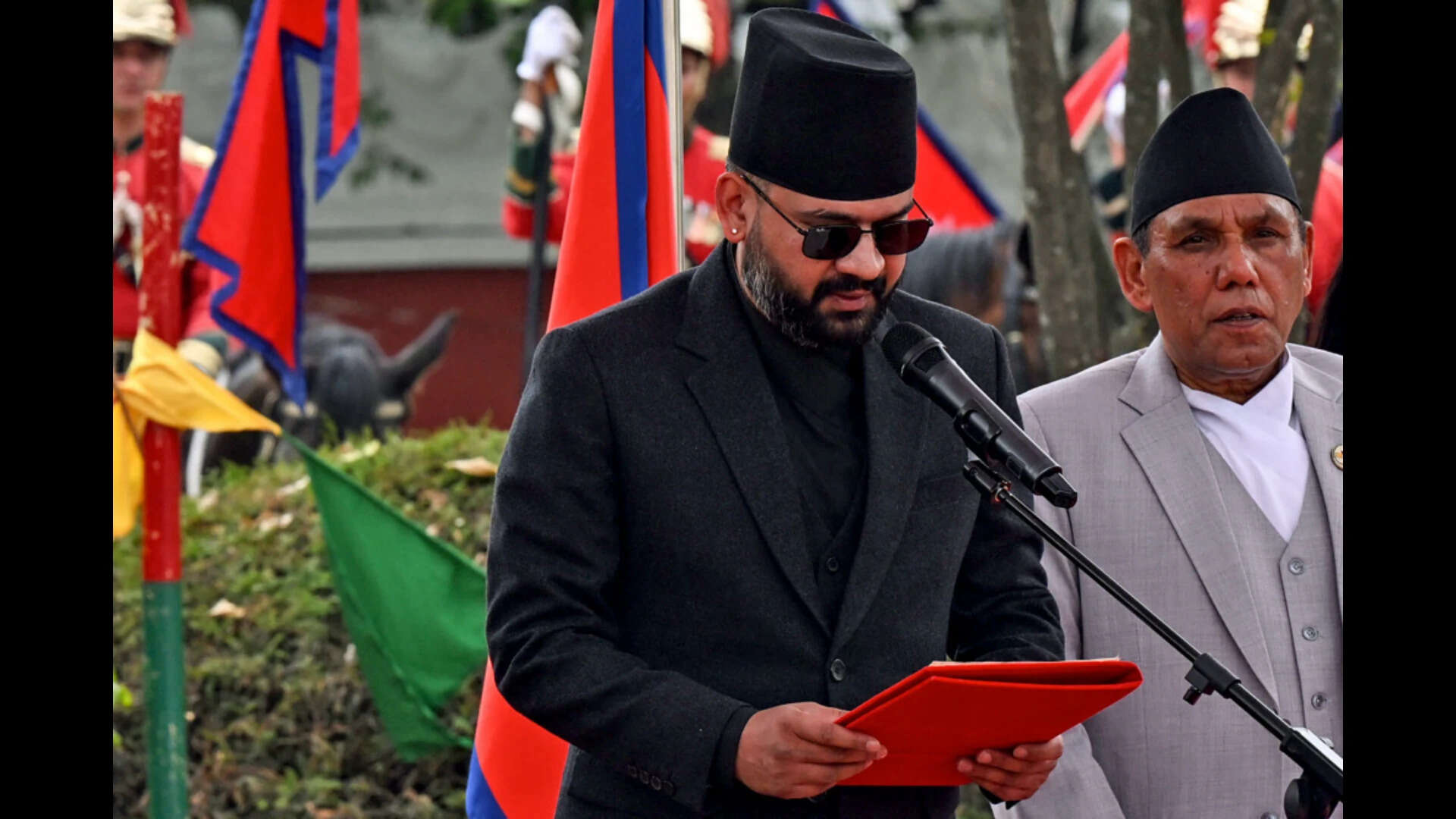
- Nepal Prime Minister Balendra Shah has broken his self-imposed diplomatic isolation policy by meeting the Indian and Chinese ambassadors separately this week, signaling an attempt to balance Kathmandu’s ties with New Delhi and Beijing.
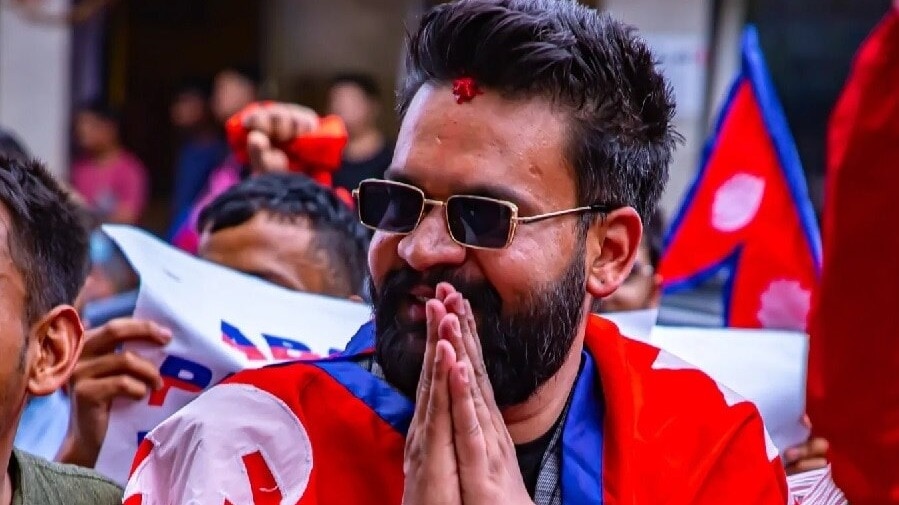
- The shift reverses a prior rule of avoiding individual envoy meetings and comes as Shah faces street protests and mounting criticism over governance.
- Indian and Nepali reporting frames the meetings as a calibrated signal of strategic equidistance rather than a tilt toward either neighbor.
- The domestic unrest underscores that the foreign-policy pivot is occurring against a backdrop of political vulnerability, where opposition figures and protesters are pressing Shah on day-to-day administration.
- What remains unclear is whether the outreach will calm domestic unrest or simply open a new front of criticism if visible concessions follow.
- Observers are watching whether follow-through meetings at the ministerial or head-of-government level materialize on both sides, and whether protest momentum fades or escalates into broader political instability.
What changed2
Every report on this story, newest first. Times are when each outlet published.
Why it matters4
Who is affected first and what likely follows, with a direction and a horizon. Extracted from the reports, never invented.
- Nepal–India relations diplomatic reengagement· days
- Nepal–China relations diplomatic reengagement· days
- Prime Minister Balendra Shah / Govt domestic legitimacy pressure· weeks
- Nepal domestic stability protest activity· immediate
Coverage2
2 reports
English national1Indian-language1
All filed from IndiaSingle origin
Named Nepal · India · China · Ganesh Nepali · Amit Shah · Asian Development Bank · Balendra Shah · Balen Shah · Bharatiya Janata Party · Government of Nepal · KP Sharma Oli · Masato Kanda · Narendra Modi
The 2 reports are listed beside the record.
Ask this story
Answers cite the reports above, or say they can't.