The record
Written from the 1 report below. Nothing here is unsourced.
- Restoration efforts by Circular Head Landcare have successfully reduced invasive rice grass coverage in Tasmania's Duck Bay from 50 hectares to five.
- Scientists observed that native saltmarsh vegetation recovered rapidly after the removal of the weed.
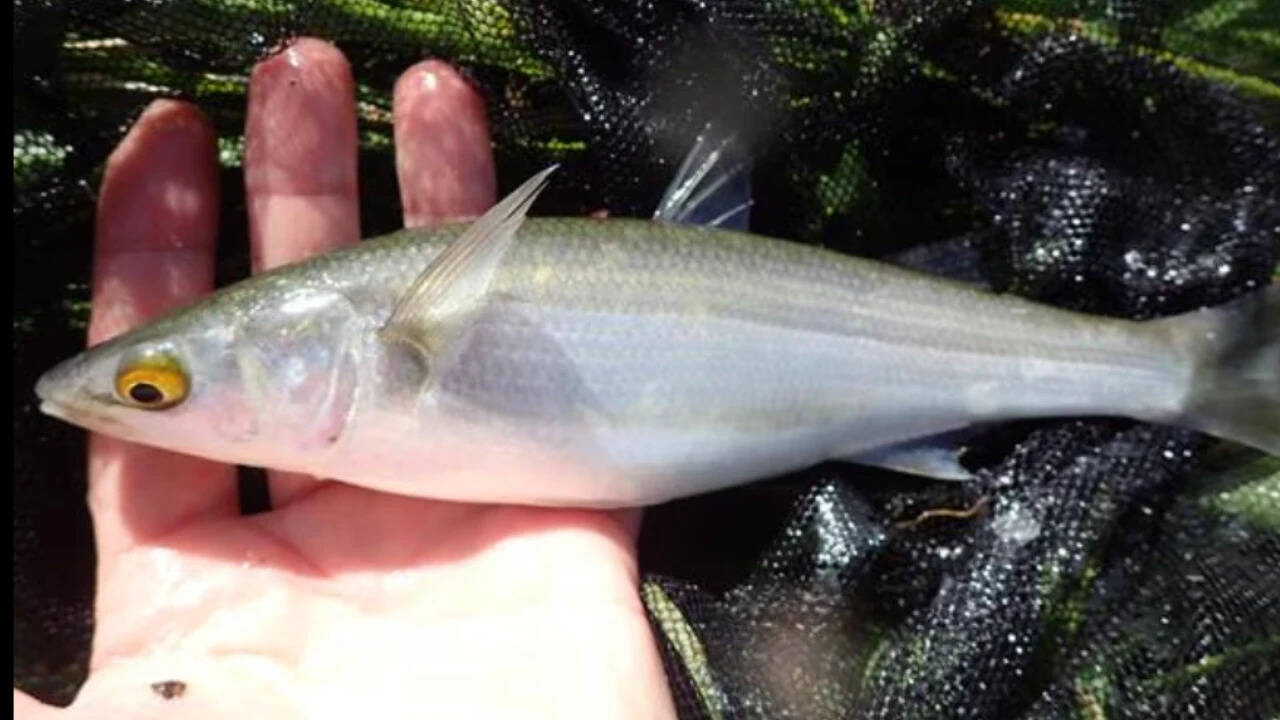
- The number of fish species in the area increased from five to 11 within three years.
- Healthy wetlands support both local biodiversity and commercial activities like oyster farming.
What to watch next
- Completion of rice grass eradication within the next two years
- Long-term monitoring of the restored wetland area for a decade
- Impact of herbicide use on future oyster harvest cycles
Who said what4
Only words found exactly in the article are shown, attributed and linked to the line they came from.
Sue Jennings
volunteer with Circular Head Landcare
1 quote · 1 outlet
“All of these little sheltered bays were full of rice grass, which is a bright green, wavy grass up to your knee. It just gets thicker and thicker”
In the article
…to Stanley. The weed can form dense growth that takes over areas used by native plants and animals. Sue Jennings, a volunteer with Circular Head Landcare, says the grass became increasingly dense when left untreated. " All of these little sheltered bays were full of rice grass, which is a bright green, wavy grass up to your knee. It just gets thicker and thicker ," Jennings said. Duck Bay is part of Tasmania’s largest coastal wetland system, which includes sheltered bays, estuaries and tidal islands. The area is also important for shorebirds, with thousands visiting Tasmania’s…
Eric Woehler
Shorebird ecologist
1 quote · 1 outlet
“Over 20 years, red-necked stints would fly half a million kilometres, which is farther than the distance between the earth and the moon”
In the article
…curlew, ruddy turnstone and red-necked stint. The small red-necked stint weighs only about 30 to 35 grams. Shorebird ecologist Eric Woehler says red-necked stints can travel enormous distances during their lives. " Over 20 years, red-necked stints would fly half a million kilometres, which is farther than the distance between the earth and the moon ," Woehler said. The wetland also supports fish including gobies, sardines, flounder, galaxiids, garfish, leatherjackets and Australian salmon. Rice grass was treated with herbicide using quadbikes, vehicles with long…
Jon Poke
Tasmanian Oyster Company chair
1 quote · 1 outlet
“We looked at what had happened in other estuaries, and for my own business to survive, we needed to make sure that the environment was looked after. Eventually rice grass would have closed our farms down”
In the article
…a week, meaning the two-week suspension could represent a lost opportunity of nearly half a million dollars in sales. However, Poke says protecting the wetland was important for the long-term survival of the farms. " We looked at what had happened in other estuaries, and for my own business to survive, we needed to make sure that the environment was looked after. Eventually rice grass would have closed our farms down ," he says. Fish return after rice grass removal University of Tasmania scientists have been tracking changes in native saltmarsh vegetation and fish communities as the restoration continues. Wetland ecologist Vishnu…
Vishnu Prahalad
Wetland ecologist
1 quote · 1 outlet
“After the rice grass was removed, in one net we had about 200 mullets”
In the article
…for them, and there they were, two fish across four nets, which is very unusual," Prahalad says. The difference became much clearer after the rice grass was removed. Researchers found about 200 mullets in one net. " After the rice grass was removed, in one net we had about 200 mullets ," Prahalad says. Scientists then examined whether the fish were simply able to enter the area more easily or were actually using the restored habitat. They found that the fish were feeding there and eating the typical…
Coverage1
All filed from India
Named Australia · Tasmania · Tasmanian Oyster Company · Circular Head Landcare · Eric Woehler · Jon Poke · Sue Jennings · University of Tasmania · Vishnu Prahalad
The 1 report is listed beside the record.
Ask this story
Answers cite the reports above, or say they can't.