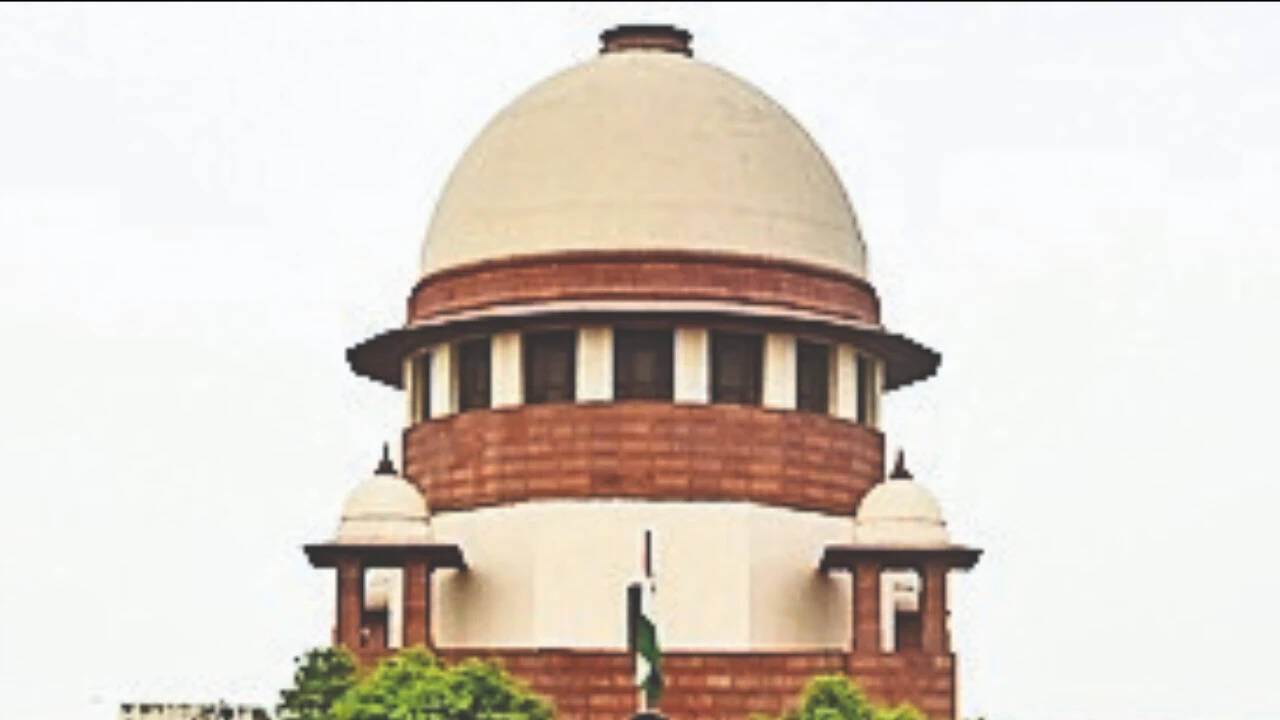
The record
Written from the 1 report below. Nothing here is unsourced.
- The Supreme Court of India has ruled that legal provisions requiring a presumption of guilt against an accused do not exempt trial courts from thoroughly examining evidence.
- The judgment emphasizes that such statutory presumptions do not override the standard of proof required in criminal cases or the need to address inconsistencies in the prosecution's claims.
- This ruling is expected to influence the application of reverse-burden provisions across nine different penal laws, including those related to corruption, narcotics, and foreign exchange.
What to watch next
- Impact of the ruling on ongoing and future trials involving reverse-burden clauses
- Potential legal challenges to conviction precedents established under these nine penal laws
Who said what2
Only words found exactly in the article are shown, attributed and linked to the line they came from.
NV Anjaria
Justice
2 quotes · 1 outlet
“The statutory presumptions cannot be read to mean that the prosecution version is liable to be treated as gospel truth in every case”
In the article
…these being highlighted by the accused during cross-examination. Writing the judgment, Justice Anjaria said presumption of guilt in Pocso Act did not operate to eliminate evidence standing in favour of the accused. The statutory presumptions cannot be read to mean that the prosecution version is liable to be treated as gospel truth in every case ," he said.The presumptive provision cannot unburden courts from "discharging their essential duty to analyse the evidence on record in light of the features emerging in a particular case", he added. This ruling will…
“The court should not mechanically accept the ipse dixit of the prosecution riding on the provisions regarding presumption of guilt to give a stamp of approval to every prosecution even if they are absurd or improbable in its story.”
In the article
…Act, Prevention of Food Adulteration Act, Customs Act, Foreign Exchange Management Act, and Negotiable Instruments Act, which were specifically mentioned in the 42-page judgment. Justices Mishra and Anjaria said, " The court should not mechanically accept the ipse dixit of the prosecution riding on the provisions regarding presumption of guilt to give a stamp of approval to every prosecution even if they are absurd or improbable in its story. "It said the provision, or the rule of reverse burden requiring the accused to prove his innocence, did not change the rule of standard of proof as normally applied in criminal cases.…
Coverage1
All filed from India
Named India · Delhi High Court · NV Anjaria · Prashant Kumar Mishra · Supreme Court
The 1 report is listed beside the record.
Ask this story
Answers cite the reports above, or say they can't.