The record
Written from the 1 report below. Nothing here is unsourced.
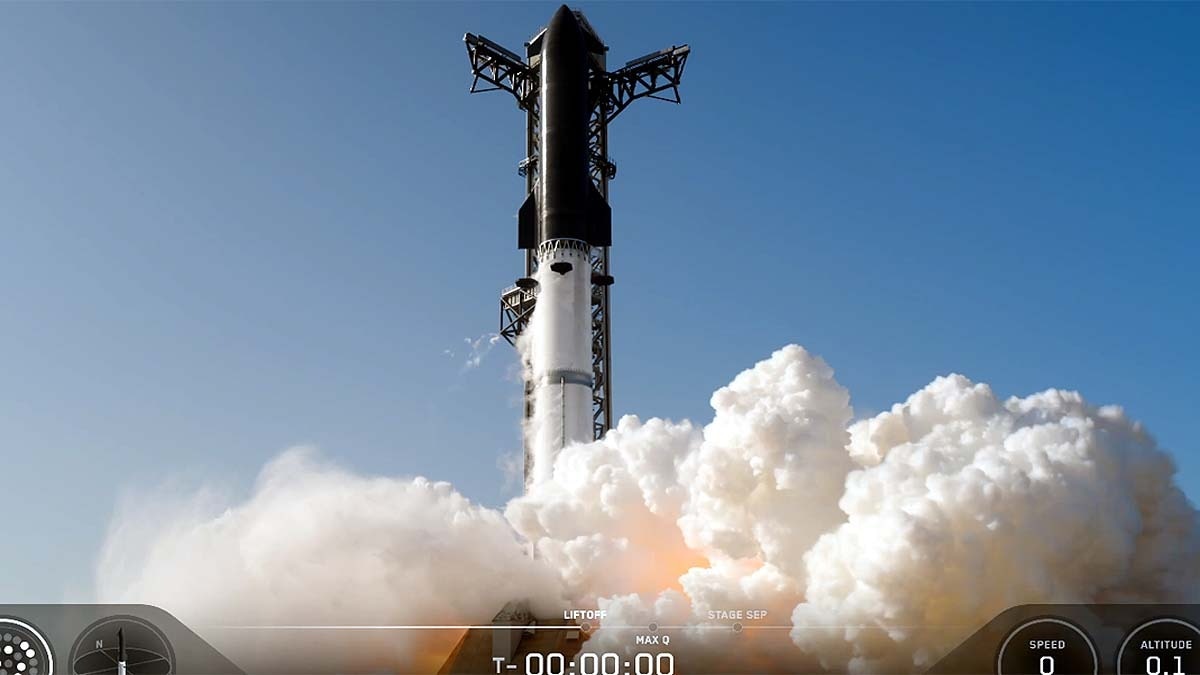
- SpaceX launched the 13th test flight of its Starship rocket, the world's largest, from Starbase in Texas on July 25, with the mission also carrying real Starlink Version 3 satellites for the first time.
- The upper stage deployed 20 Starlink V3 satellites in space and later completed a planned splashdown in the Indian Ocean after over an hour of flight.
- The booster's landing was not fully successful because not all Raptor engines fired properly during its attempted controlled splashdown in the Gulf of Mexico, but most key mission goals, including satellite deployment and re-entry tests, were achieved.
- Starship is central to NASA's Artemis moon plans and SpaceX's goal of sending humans and cargo to Mars, and the company aims to make the rocket fully reusable to cut mission costs.
What to watch next
- SpaceX's study of mission data, especially the booster landing failure, and the improvements made for the next test flight.
- How the new Starlink V3 satellites, with faster internet and laser link capability, perform in expanding internet access to remote areas.
- Progress on using a Starship model in NASA's Artemis mission to return humans to the Moon.
Coverage1
1 report
Indian-language1
All filed from India
Named United States · Gulf of Mexico · Indian Ocean · Starlink Version 3 · Boca Chica · NASA · SpaceX · Starbase · Starship · Texas
The 1 report is listed beside the record.
Ask this story
Answers cite the reports above, or say they can't.