
The record
Written from the 2 reports below. Nothing here is unsourced.
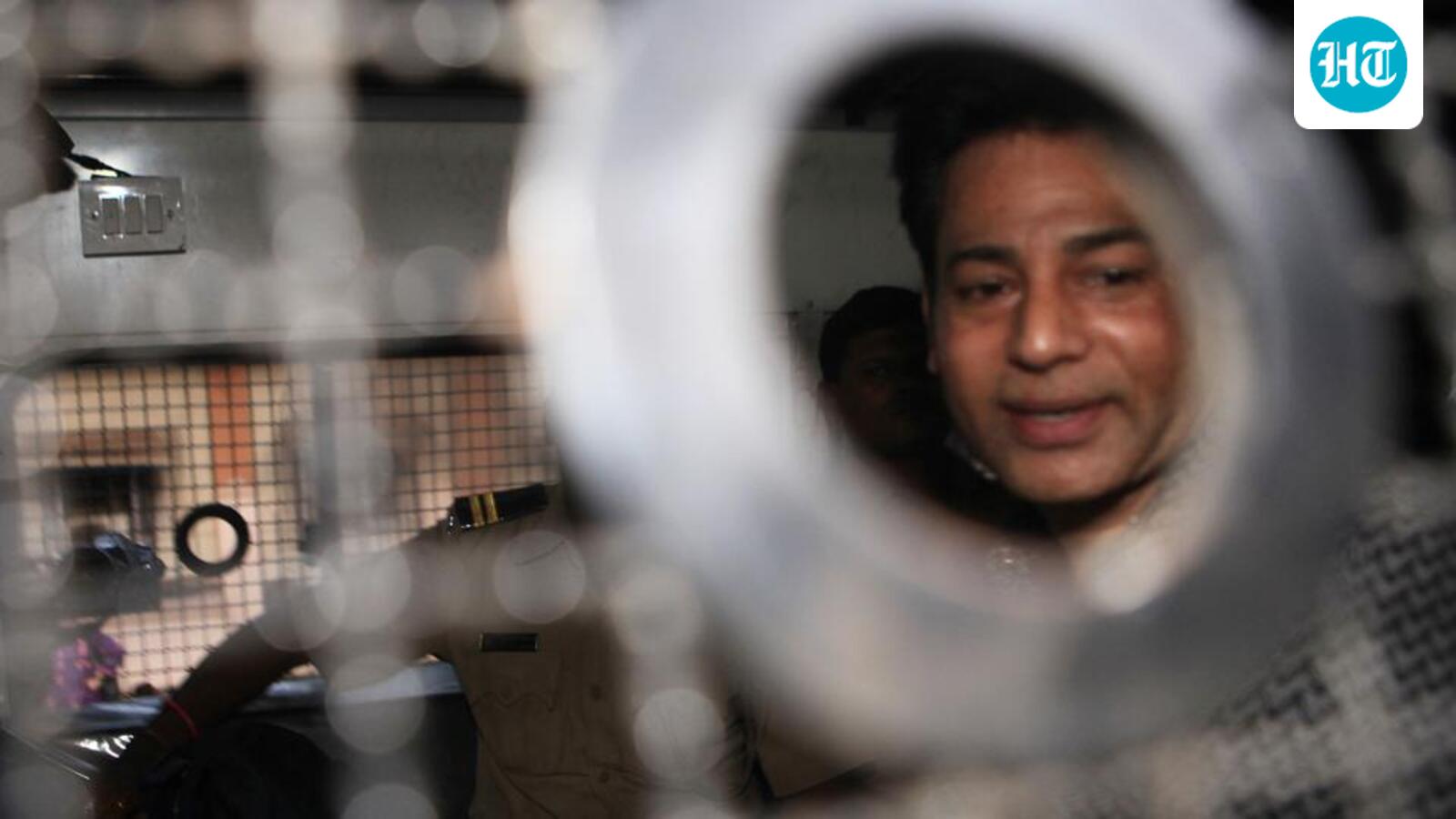
- India’s Supreme Court has granted bail to two alleged Indian Mujahideen operatives, holding that years of incarceration combined with glacial trial progress violated their constitutional right to liberty — a ruling that underscores how procedural delay, not just evidentiary weakness, shapes outcomes in terrorism cases.
- Separately, the same bench reserved orders on the release plea of Abu Salem, the extradited gangster-terror convict, who argues his 25-year sentence tied to the Portugal extradition compact has already been served.
- Together, the two developments signal an active judicial push to test the outer limits of prolonged detention in high-profile national-security investigations.
- Coverage is uniform and neutral: no political actors have pushed back publicly, so the contestation is legal, not partisan.
- What remains unknown is Salem’s ruling date and whether the Mujahideen bail standard will be cited beyond its facts.
What to watch next
- Await Abu Salem sentencing-dispute ruling
- Track whether IM bail precedent spreads
- Watch for prosecution appeals in Delhi
What changed2
Every report on this story, newest first. Times are when each outlet published.
Hindustan Times[1]
SC grants bail to 2 Indian Mujahideen men in 2011 caseHindustan Times[2]
Supreme Court reserves decision on Abu Salem plea for his release
Why it matters3
Who is affected first and what likely follows, with a direction and a horizon. Extracted from the reports, never invented.
- Detainees and under-trials in similar delayed-terrorism cases precedent on bail eligibility· weeks
- Prosecution and investigating agencies evidentiary timeline pressure· weeks
- Abu Salem sentencing clarity pending· days
Coverage1
2 reports
English national2
All filed from IndiaSingle origin
Named India · Portugal · Jodhpur · Mohd Saquib Ansari · Pradeep Jain · Rajasthan · Waqar Azhar · Abu Salem · Bombay High Court · Dawood Ibrahim · Delhi Police special cell · Indian Government · Indian Mujahideen
The 2 reports are listed beside the record.
Ask this story
Answers cite the reports above, or say they can't.