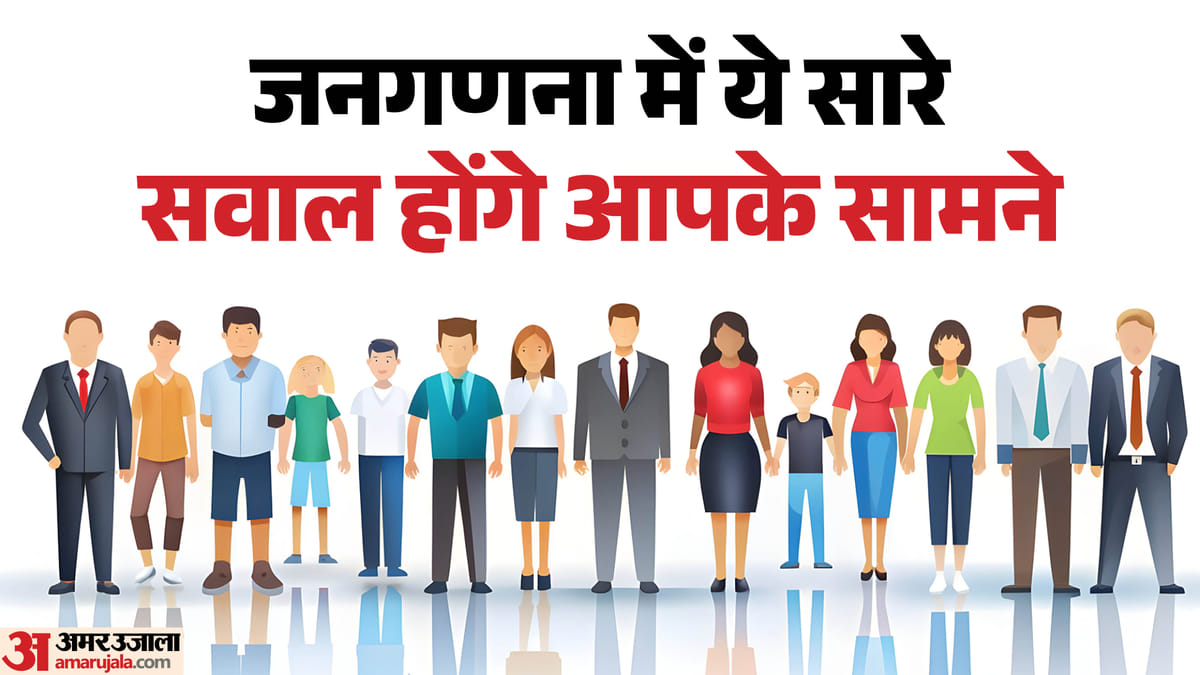
The record
Written from the 1 report below. Nothing here is unsourced.
- India's 2027 census enters its second phase on August 17, marking the first collection of caste and parental birthplace data since 1931.
- This expansion significantly broadens the demographic scope, aiming to capture granular social stratification and migration patterns across the country.
- The move is politically sensitive, as caste data has long been demanded for policy recalibration and reservation adjustments, while parental birth details could inform debates on citizenship and demographic shifts.
- Coverage highlights the logistical challenge of enumerating over a billion people with new, complex fields, alongside concerns about data privacy and potential misuse.
- Watch for implementation hurdles, public pushback in specific regions, and how the data is eventually leveraged for electoral boundary delimitation or welfare targeting.
What to watch next
- Monitor state-level implementation and data quality.
- Track political reactions to caste data publication.
- Assess privacy safeguards and data security measures.
- Watch for impacts on future delimitation exercises.
Coverage1
1 report
Indian-language1
All filed from India
Named India · Amara Ujala · Ministry of Home Affairs
The 1 report is listed beside the record.
Ask this story
Answers cite the reports above, or say they can't.